
Introduction
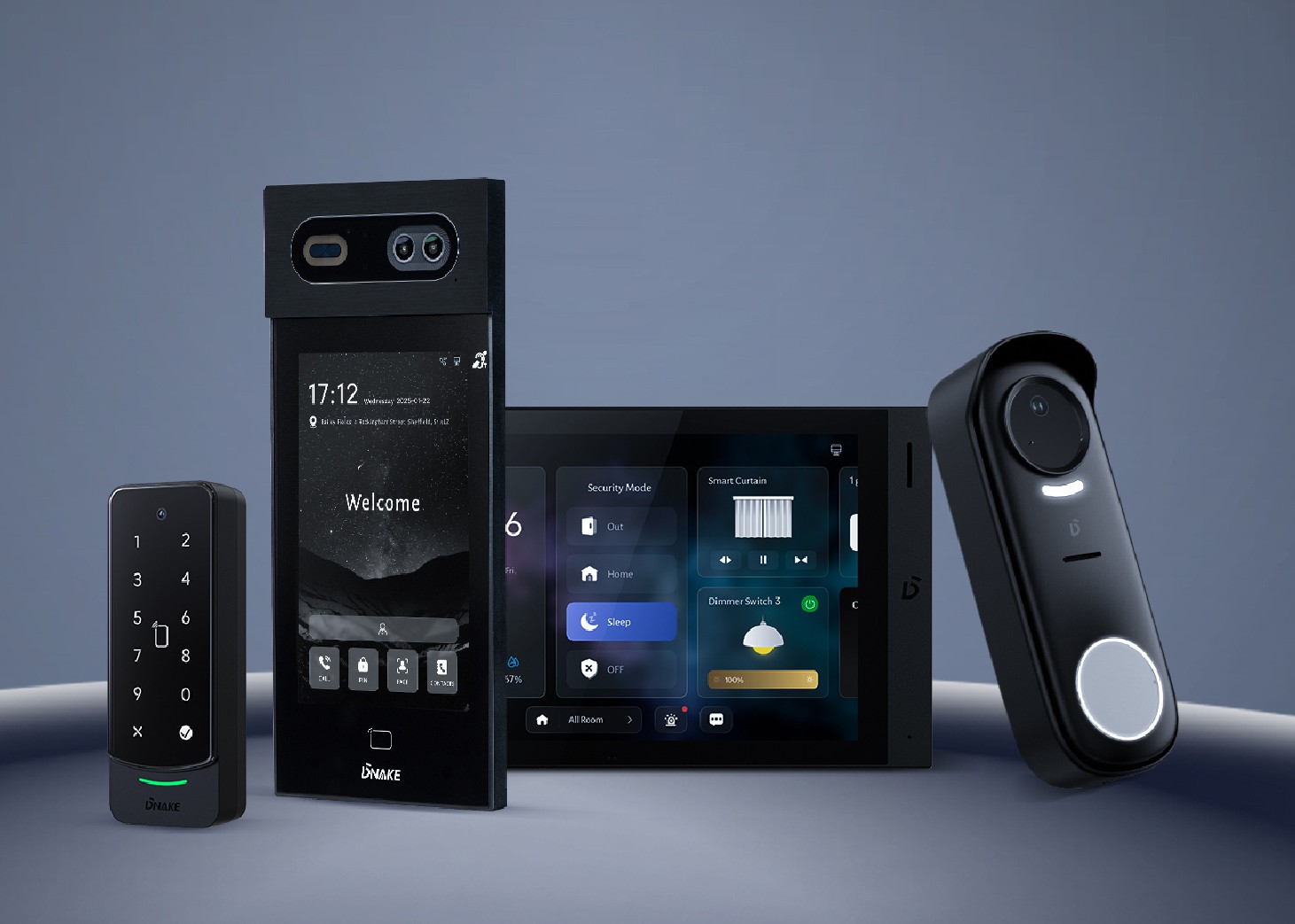
Security threats continue to evolve for both residential and commercial properties, making traditional locks and keys increasingly insufficient on their own. Modern intercom and access control systems provide a smarter, more responsive approach to property security by combining identity verification, controlled entry, and real-time monitoring.
From private homes to office buildings and industrial facilities, these systems help prevent unauthorized access while improving convenience, operational efficiency, and overall safety. When integrated with surveillance cameras, alarms, and smart technologies, they create a comprehensive security framework capable of adapting to modern security demands.
Understanding Intercom and Access Control Systems
Intercom systems enable real-time communication between entry points such as gates, doors, and lobbies and the occupants inside a property. Modern intercom solutions often include video functionality, allowing users to visually verify visitors before granting access.
Access control systems regulate entry through credentials such as key cards, PIN codes, mobile authentication, or biometric verification. Unlike traditional keys, digital credentials can be updated, restricted, or revoked instantly, giving property owners greater control over who can access specific areas.
When combined, intercom and access control systems create a layered security approach. The intercom system verifies identity and intent, while the access control system determines whether entry is authorized. Together, they significantly reduce the risk of unauthorized access while improving visibility and accountability across the property.
How These Systems Protect Homes
For residential properties, security priorities typically include personal safety, package protection, privacy, and convenience.
Visitor Verification and Deterrence
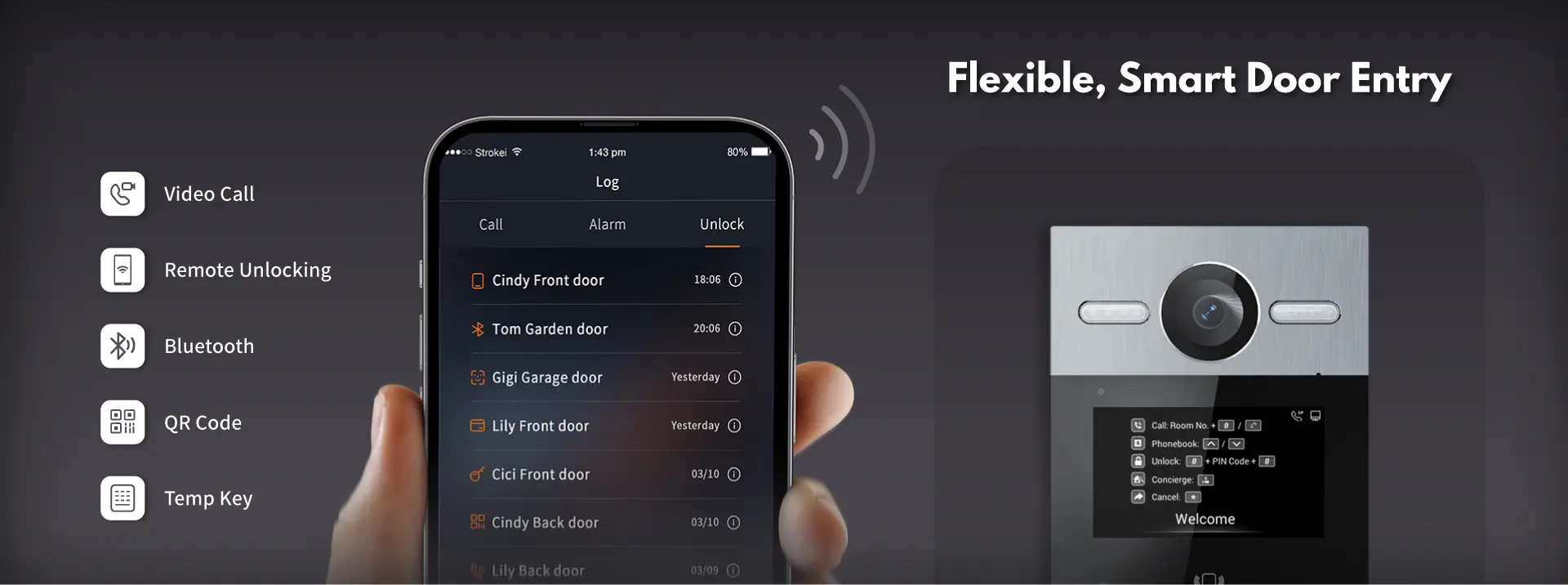
Video intercom systems allow homeowners to see and communicate with visitors before opening doors or gates. This additional verification layer helps deter opportunistic intruders and reduces the likelihood of forced entry attempts.
Remote Access and Monitoring
Modern smart intercom systems can be managed remotely through mobile applications. Homeowners can grant temporary access to guests, delivery personnel, or service providers even when away from the property.
Integration with Smart Home Security
Many systems integrate seamlessly with CCTV cameras, alarms, motion sensors, and smart locks. For example, motion detected near an entrance can automatically trigger video recording, notifications, and exterior lighting.
Practical Lifestyle Benefits
Beyond security, intercom systems simplify communication within larger homes and reduce unnecessary door openings. This improves both daily convenience and overall privacy for occupants.
How These Systems Protect Commercial Buildings
Commercial buildings face more complex security challenges due to higher foot traffic, multiple access points, employee management, and compliance requirements.
Visitor and Vendor Management
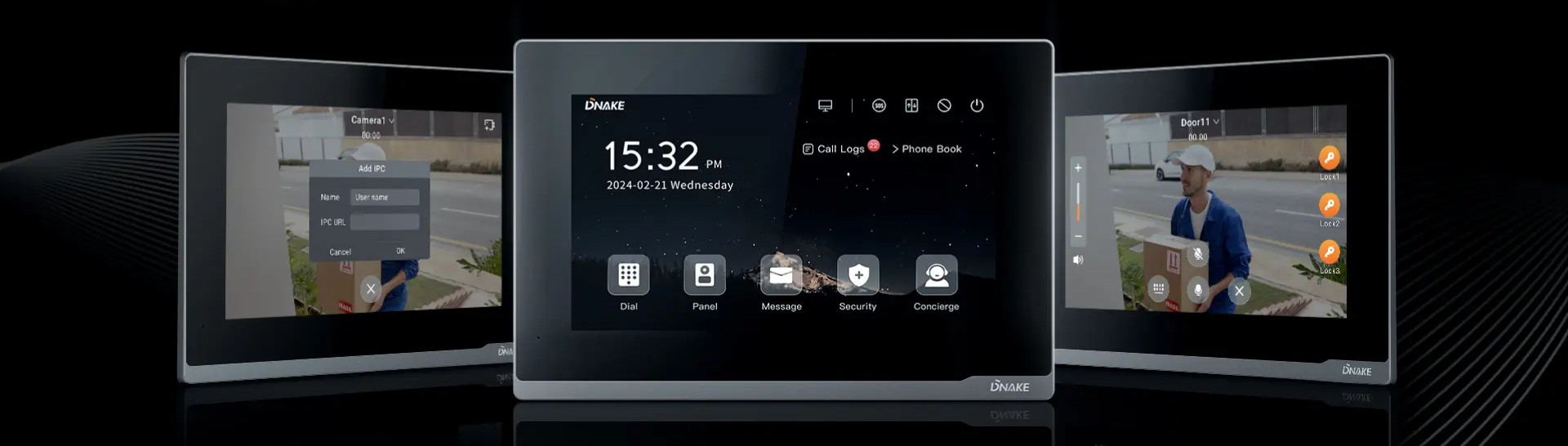
Security personnel or reception staff can visually verify visitors before granting access to entrances, loading docks, or restricted service areas. This helps reduce unauthorized entry risks while maintaining controlled movement throughout the facility.
Role-Based Access Control
Access permissions can be assigned based on employee roles or operational requirements. Businesses can quickly modify or revoke credentials for contractors, temporary staff, or former employees without replacing physical locks.
Audit Trails and Accountability
Every access attempt can be logged with timestamps and user identification details. These records support investigations, compliance requirements, and incident reviews while improving overall accountability.
Operational Efficiency
Touchless entry systems and mobile credentials help reduce congestion during peak traffic periods while minimizing dependence on manual security processes and staffing.
Emergency Communication Capabilities
Intercom systems can also function as emergency communication tools, allowing rapid coordination during incidents, lockdowns, or evacuations.
The Benefits of Integrated Security Systems
When intercom and access control systems are integrated with surveillance platforms and smart building technologies, they create a more comprehensive and intelligent security infrastructure.
Key benefits include:
- Multi-layered security through verification, authentication, and monitoring
- Remote management using cloud dashboards and mobile applications
- Scalability for properties ranging from private homes to multi-building facilities
- Reduced operational costs through automation and centralized management
- Faster and more controlled entry experiences for authorized users
Many modern IP-based systems also support advanced AI-powered features such as facial recognition, activity analytics, and license plate recognition for vehicle access management.
Choosing the Right System
Selecting the right intercom and access control solution depends on the property's size, operational needs, and overall risk profile. The most effective systems are designed not only for current requirements but also for long-term scalability and adaptability.
Important considerations include:
- Number of entry points and expected traffic volume
- Need for video verification versus audio-only communication
- Cloud-based management and remote accessibility
- Compatibility with existing security infrastructure
- Installation quality and long-term maintenance support
- Environmental durability, including weather resistance and backup power capabilities
Conclusion
Intercom and access control systems transform traditional entry points into intelligent security checkpoints. In residential environments, they enhance safety, convenience, and peace of mind. In commercial settings, they strengthen operational control, accountability, and scalability.
As security technology continues to evolve, modern protection strategies increasingly rely on verification, monitoring, and automation rather than physical barriers alone. Integrated intercom and access control systems now play a critical role in building safer, smarter, and more resilient properties.